The Salt Line: A Winter Paw Routine for UK Leonbergers
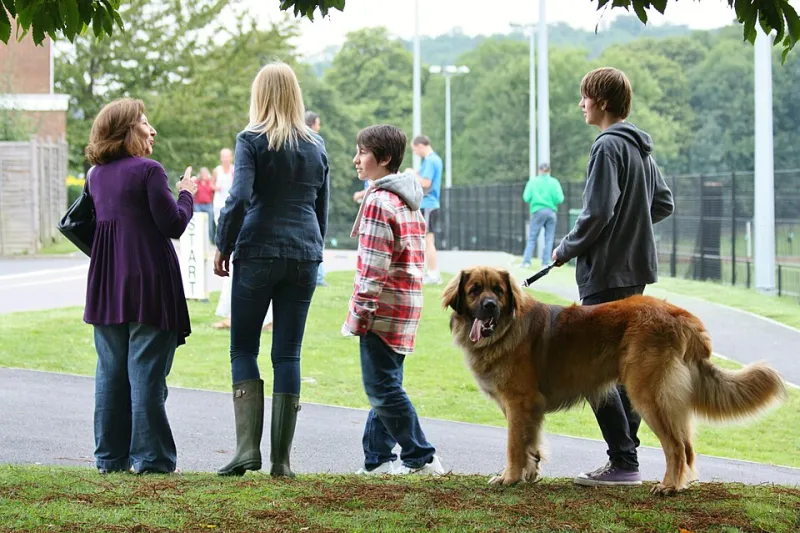
Photo: Gareth Williams, CC BY 2.0, via Wikimedia Commons
Winter in the UK has a particular way of making a simple dog walk feel like a logistics exercise. The pavement is grey with salt, the kerb is slick with refrozen slush, and your Leonberger is standing there like a 60kg philosopher wondering why you are taking so long with the lead. Their paws are doing quiet, hard work in all of this. Grit, ice and repeated wet-dry cycles can leave pads sore, cracked or irritated, and a big dog feels every uncomfortable step.
The good news is that paw care does not need a cupboard full of specialist kit. A little planning by the front door, a sensible route choice and a quick post-walk check will cover most of it.
Why a Leonberger's paw meets winter differently
A Leonberger is not a delicate breed, but that does not make their feet invincible. Their paws are broad and well padded, which is useful on rough ground, but the fur between the toes can collect compacted snow and ice. Once those little ice balls form, every step can become a rubbing, pinching annoyance. Add rock salt from council gritting, and you have a recipe for licking, chewing and general grumpiness.
The weight of a giant breed also means that if a pad does become cracked or sore, it is being pressed against the ground with every stride. That is why early checks matter. A small irritation on a small dog is a nuisance. On a Leonberger, it can quickly change how they move and how willing they are to walk.
The ten-minute front-door check
The most useful winter habit is also the least glamorous: deal with the paws before the dog flops on the sofa. Keep a dedicated towel, a shallow basin and a pet-safe paw balm near the door. A boot tray or old washing-up bowl filled with a couple of centimetres of lukewarm water is enough for a quick rinse.
When you come in, brush off any loose snow or grit first. Then rinse the paws gently, including between the toes, and dry thoroughly with the towel. Damp fur between pads is a classic recipe for soreness, especially if the dog then lies on a cold floor. Do not use hot water, and do not let them lick their paws clean after a salted walk. If they are obsessed with licking, rinse again and distract them with a chew or a toy.
This is also the moment to look properly. Part the fur between the toes, check the pads for redness or small cracks, and feel for any hard lumps of ice. Do not pick at ice with a sharp tool. A lukewarm rinse and a soft towel are safer.
Balm, boots and the fit question
A pet-safe paw balm can help protect against drying and rubbing, but it is not a magic shield. Apply a thin layer before a walk on dry, healthy pads, and a little after cleaning if the pads look dry. Avoid human hand creams, and do not slather balm onto broken or bleeding skin without speaking to your vet. If your Leonberger is a dedicated paw-licker, use balm when they are calm and likely to settle, or they will simply lick it off.
Booties are the other option, and for some dogs they are genuinely useful. The catch is fit. Giant breeds need wide, well-secured boots that do not twist or pinch. Measure the paw while the dog is standing, check the sizing guide carefully, and introduce boots indoors for a few minutes at a time before trying them outside. A boot that slips off in the street is worse than no boot at all. Never leave booties on an unattended dog.
Some Leonbergers will tolerate boots without complaint. Others will walk as if they have been asked to wear four small boats. If your dog hates them, do not force the issue. A rinse-and-dry routine, sensible routes and a good balm will do a lot of the work.
When to skip the treated path
There are days when the pavement is best avoided altogether. Fresh grit, refrozen slush and heavily salted paths around shops and station entrances are worth steering around, especially if your dog is already showing sore paws. Walk on grass verges, quiet residential streets or clean paths where possible. Avoid puddles in car parks, as they can contain antifreeze and other winter nasties, and keep your dog from drinking from roadside water.
If the route to the park is unavoidable, keep the dog on a shorter lead, walk at a calm pace and check the paws as soon as you are home. A shorter walk on kinder ground is often better than a longer march through salt and ice.
Early signs to take seriously
Watch for excessive licking, chewing at the paws, redness between the toes, limping, reluctance to walk or a change in gait. Cracked pads, swelling or bleeding need a vet call rather than a hopeful dab of balm. If your dog is repeatedly lifting a paw or refusing to put weight on it, stop the walk and check for ice, grit or a cut.
Winter paw care is not about wrapping your Leonberger in cotton wool. It is about removing the small irritants before they become a bigger problem. Towel by the door, balm in the coat pocket, a route that avoids the worst of the grit, and a quick look at those big paws when you get home. That is a realistic routine for a very large dog and a very British winter.