Rain, Ruts and Runaways: A Winter Garden Audit for Leonbergers
By the time November settles in, most British gardens have changed character. The lawn is softer, the patio is slicker, and that handy gap beside the shed has become a bog. For a Leonberger, all of that is an invitation: to slide, to dig, to test the fence, and to find out whether the gate really latched. This is not about creating a show garden. It is about making your outdoor space safe and secure before the wet weather has a proper go at it.
Start at the boundary, not the lawn
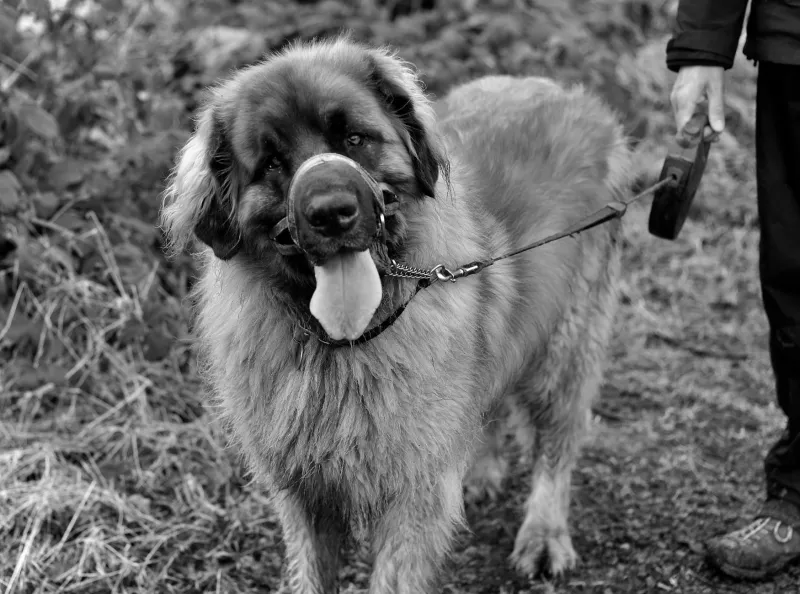
A Leonberger is not a small dog with a big coat. At around 60kg, he can lean, push and compress ground in ways that gentle breeds simply do not. So begin with the perimeter. Walk the whole fence line and look for storm damage, loose panels, rotten posts and gaps at ground level. A fence that looked fine in July may have shifted after autumn winds and rain.
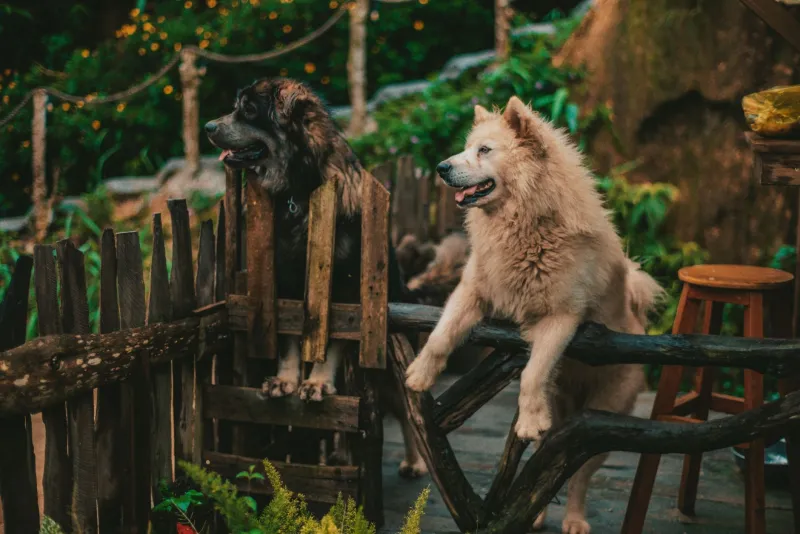
Height matters, too. Many Leonbergers are not natural fence-jumpers, but a low panel combined with a cat, a fox or a delivery van can be enough to tempt one over. As a sensible starting point, aim for at least 1.8 metres of solid fencing, with no handy footholds such as planters, bins or stacked logs nearby. Check that gravel boards are intact and that the fence cannot be pushed out at the bottom.
Gates deserve their own inspection. A gate that swings shut is not the same as a gate that latches. Fit a reliable self-latching mechanism, check the hinges, and consider a padlock or a bolt that cannot be nudged open by a large nose. If your garden has a side return or a driveway gate, think in terms of an airlock: one gate closed before the next one opens. It sounds fussy until the first escape attempt.
Hunt down the escape routes you have stopped noticing
Dogs do not read our plans. The obvious routes are often not the ones they use. Get down low and look at the garden from your Leonberger's point of view. Are there gaps under the gate? Has the soil washed away at a fence corner? Is there a fox hole that has suddenly become a dog-sized excavation project? Is the ground beside the shed softer than it looks?
Check behind shrubs, beneath decking and along the base of walls. Loose patio slabs can be shifted, and a determined dog may exploit a gap that a smaller breed would ignore. If you find a digging spot, do not simply fill it with loose soil. Use a sturdy barrier, such as buried paving slabs or reinforced mesh, and make sure there are no sharp edges. The aim is to make the route boring rather than to punish the digging itself.
Also think about doors, bins and temporary barriers. A wheelie bin is not a gate. A garden chair is not a fence. With visitors coming and going over the winter, a simple routine helps: close the gate before opening the back door, and ask guests to do the same.
Mud control is safety control
A muddy garden is not just an inconvenience. For a heavy, deep-chested dog, it is a slip hazard. Repeated sliding on wet grass, algae-covered patios and slick decking can put strain on joints, especially in older Leonbergers or those with existing mobility issues.
Create a practical route from the back door to the lawn. Woodchip, bark or gravel can reduce the worst of the churn, but avoid cocoa shell mulch, which is toxic to dogs. Keep steps clear of leaves and consider non-slip matting on decking or smooth paving. A towel station by the door is not glamorous, but it saves a great deal of mud being walked through the house.
Be careful with winter chemicals. Rock salt can irritate paws, and antifreeze is extremely dangerous even in small amounts. Store screenwash, de-icer and antifreeze in sealed containers well out of reach. Use pet-safe ice melt on paths, and rinse paws after walks if you have been on treated surfaces.
Plants, bulbs and compost: the quiet risks
British gardens contain plenty of ordinary plants that are not dog-friendly. Rhododendrons and azaleas, yew, laburnum and lily of the valley are all best kept away from a curious Leonberger. Daffodil and tulip bulbs are particularly risky if dug up and chewed, and autumn brings fallen acorns and conkers into reach. Ivy can cause problems if eaten in quantity, and mouldy food from a compost heap is another temptation best avoided.
This month, check where bulbs are stored and make sure they are not in a shed your dog can access. Secure compost bins and avoid spreading fertiliser or slug pellets where a dog can lick or eat them. If you are unsure about a plant, fence it off or remove it. A quick check with a reliable veterinary or plant-safety source is always worthwhile.
A simple November checklist
- Walk the fence line and photograph any weak points.
- Check gate latches, hinges and gaps underneath.
- Fill or block known digging spots with sturdy materials.
- Clear drains, steps and paths of leaves and algae.
- Put a pet-safe ice melt and towel station by the door.
- Lock away antifreeze, screenwash, fertiliser and pest control.
- Check for toxic bulbs, fallen acorns, conkers and mouldy compost.
- Make sure your dog's microchip details and ID tag are up to date.
When the garden is not quite enough
Some Leonbergers are genuine escape artists, and no amount of patching will change that. If your dog is repeatedly testing the boundary, supervise outdoor time, use a long line where appropriate, or book a secure private field for a proper run. A secure garden is a baseline, not a substitute for company and training.
The best winter garden for a Leonberger is not the tidiest one. It is the one where the gate clicks shut, the fence holds firm, the mud has somewhere sensible to go, and nobody has left a bulb or a bottle of antifreeze within reach. Do the audit now, while the ground is still workable, and the wet months will be a lot less eventful.