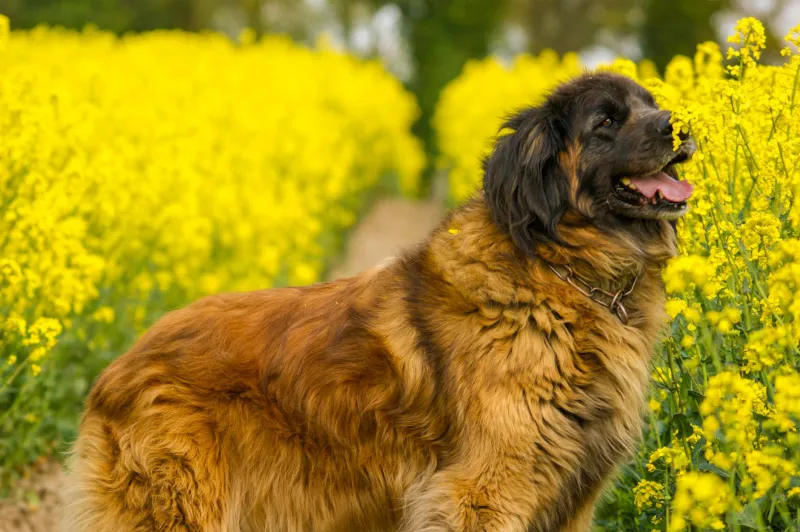
After the Last Rocket: Helping Your Leonberger Reset Following Bonfire Night 2026
The quiet after the bangs
The fifth of November gets the headlines, but for many UK dog owners the harder work starts on the sixth. By 8 November 2026, most public displays have packed up, the last garden rockets have fizzled out, and the country settles back into dark evenings and wet pavements. For a Leonberger, though, the nervous system may still be playing catch-up.
If your lion has been clingy, flat, or reluctant to step outside, you are not alone. A 60kg dog cannot be scooped up and tucked under a duvet when a rogue firework goes off three streets away. That size changes the practical side of recovery: you need calm management, gentle confidence-building, and a plan that does not rely on carrying him past the wheelie bins.
Reading the hangover in a giant breed
Fireworks stress does not always look like dramatic trembling. In Leonbergers, it can be quieter and easier to miss. Watch for pacing, panting when the room is cool, drooling, repeated yawning, lip licking, a tucked tail, refusing food, disturbed sleep, or a sudden reluctance to walk past familiar objects. Some dogs become more clingy than usual; others go stiff and withdrawn.
Digestive upset can also show up after a stressful night. If your dog has had a loose stool or skipped a meal, note it, but do not panic. Keep water available, offer small bland meals if your vet has previously approved that approach, and ring your practice if things do not settle within a day or two.
The key is to compare your dog with his normal self, not with a textbook. A Leonberger who normally sleeps through the evening but is now pacing at 10pm is telling you something.
Rebuilding confidence one sniff at a time
After Bonfire Night 2026, do not rush back to the busiest local park. Start with short, quiet walks at times when the streets are likely to be calm. Early morning and mid-afternoon often work better than the school run or the evening dog-walking rush.
Let him sniff. Sniffing is not wasted time; it is how many dogs gather information and settle their nerves. Use familiar routes, avoid building sites and bin day chaos, and do not force him towards anything he is avoiding. If he plants his paws at the end of the drive, do not drag him. Stand with him, reward any relaxed look towards the street, and try again later.
Scatter feeding in the garden or hallway can help a dog use his nose and shift out of alert mode. A simple game — a handful of kibble in the grass or on a snuffle mat — is often more useful than a long training session when everyone is still frayed.
Set up a safe space that actually works
A safe space is not just a bed in the corner. It should be somewhere your Leonberger chooses to settle, away from the front window and the street door if possible. Close the curtains, add a white noise machine or a radio at low volume, and keep water nearby. A long-lasting chew can help, but only if your dog is still interested in food.
Do not shut him in a crate unless he already loves it. A giant breed in a panic can hurt himself on bars or try to force his way out. If he is happier sprawled across the hallway, let him be. The aim is safety and choice, not a perfect Instagram setup.
Use your council’s firework calendar
UK councils and local community pages often publish notices about licensed displays, road closures, and public fireworks events. It sounds dull, but checking these pages is genuinely useful. You can plan walks around the times when local noise is likely, and you can ask neighbours whether they are planning a private garden display.
Diwali, New Year’s Eve, and even random Saturday celebrations can bring unexpected bangs. A quick look at local Facebook groups and council websites in the week after Bonfire Night can help you spot the next risk before it happens. If you live near a pub or sports club that hosts events, a friendly word with the manager about timings can also help.
Start next year’s sound plan now
It is tempting to wait until October 2027 to think about fireworks again. That is usually too late. Sound desensitisation works best when it is slow, boring, and regular — a few minutes at a time, well before the event season.
Ask your vet or a qualified behaviourist for a reputable firework sound recording. Play it at a volume so low that your dog barely notices, pair it with treats or a favourite game, and stop before he shows stress. Build up over weeks and months, not days. If he reacts, the volume or the step is too big. This is not about toughening him up; it is about teaching him that the noise predicts something safe.
When to call the vet or a clinical behaviourist
Get veterinary advice if your Leonberger stops eating, cannot settle for more than a day or two, shows panic when left alone, hurts himself, or becomes reactive towards people or other dogs. Your vet can rule out pain, hearing problems, or other medical issues, and can discuss whether medication might be appropriate alongside a behaviour plan.
For serious fear or panic, ask for a referral to a clinical animal behaviourist registered with a recognised UK body such as the APBC or ABTC. A good behaviourist will not just hand you a thunder shirt and wave goodbye; they will assess the whole picture and build a plan that fits a giant breed in a real home.
A gentle week-after checklist
- Keep walks short, quiet, and sniff-heavy for a few days.
- Protect sleep: give him a dark, calm space away from the street.
- Note what triggers a startle — bins, scooters, school crowds — and avoid those routes for now.
- Do not punish clinginess; reward calm settling instead.
- Check council and community pages for upcoming displays.
- Start a low-volume sound plan for 2027 now, not in October.
- Call your vet if eating, sleeping, or toileting is still off after a couple of days.
The last rocket is not always the end of the story. With a bit of patience, a Leonberger can shake off the Bonfire Night hangover and get back to the serious business of hogging the sofa.