The Autumn Coat Drop: How to Keep Your Home Habitable When Your Leonberger Blows Coat
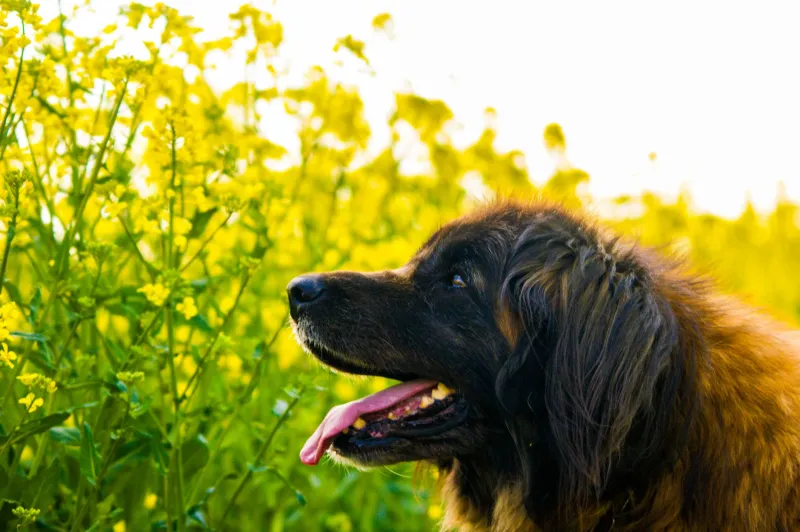
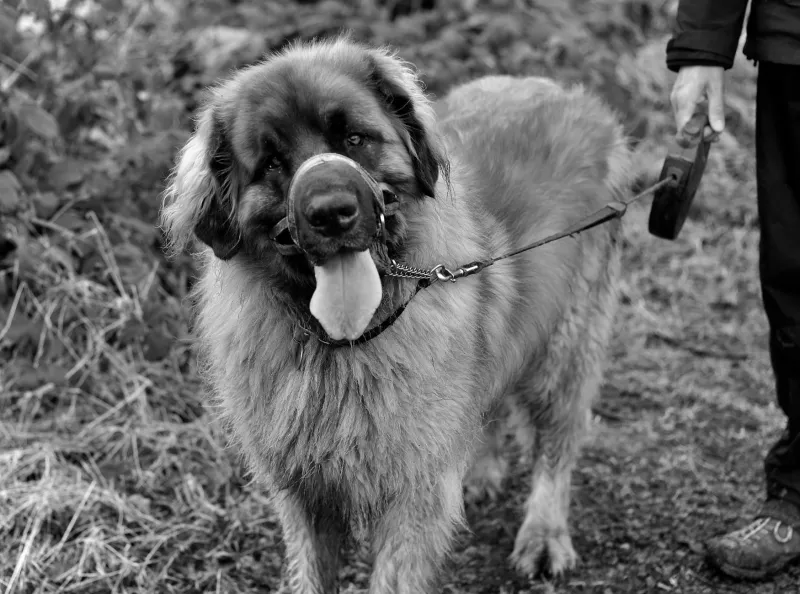
Autumn with a Leonberger is not just a season of muddy paws and early dark nights. It is the time your dog’s undercoat quietly declares independence and starts redistributing itself across your home. One day the coat looks normal; the next, tufts are drifting across the kitchen floor like tumbleweed in a very large, very hairy western.
This is not ordinary shedding. A Leonberger in full coat drop can produce enough loose fur to stuff a small cushion — daily. And in the UK, where autumn often means damp air, closed windows and washing that never quite dries, that fur clings to soft furnishings and hangs about in the hallway. The trick is not to fight it room by room in a panic. It is to have a plan.
Start with the dog, not the carpet
Before you reach for the vacuum, deal with the source. A daily groom during the coat drop makes everything else easier. You do not need a salon setup; you need consistency and the right tools.
A good undercoat rake is your first purchase. It gets beneath the topcoat and lifts the loose woolly layer without scraping the skin. Follow with a slicker brush for the surface and a metal comb to check for hidden tangles, especially behind the ears, under the collar and around the trousers. Work in short sessions — five to ten minutes is plenty — and stop before your dog gets bored or sore.
Groom outside if the weather allows, or in the bathroom with the door shut. A rubber mat in the bath helps your Leonberger feel secure. Keep treats nearby and reward standing still. If you can, use a pet blower on a low setting outdoors; it sends loose undercoat into the air rather than into your carpet. Just warn the neighbours first.
Hallway and porch: the first line of defence
The hallway is where the coat drop meets the outside world. It is also where you can make the biggest difference with the least effort.
Put a washable runner down the middle of the hall. Microfibre mats at the door trap fur and damp before they travel. Shake them outside every morning and wash them weekly. Keep a lint roller or a rubber grooming glove by the door for a quick pass over your trousers before you leave. A covered basket for leads, towels and brushes stops the hallway becoming a fur-lined obstacle course.
If your Leonberger likes to flop in the same spot after a walk, put a washable throw there. It is far easier to wash a throw than to wrestle a sofa cover back into place.
Living room: soft furnishings and still air
The living room is where autumn shedding really settles in. Fabric sofas, curtains, rugs and cushions all act like fur magnets. In a damp British autumn, windows stay shut more often, so loose hair hangs in the air rather than drifting out.
Use washable throws on the sofa and armchairs, and choose cushion covers you can unzip and wash. Vacuum slowly — rushing over the carpet just stirs the fur back into the room. A vacuum with a decent HEPA filter is worth the investment if you have a giant breed. Empty or change the filter regularly; a clogged filter simply redistributes dust and hair.
Damp-dust hard surfaces with a microfibre cloth rather than a dry duster. Dry dusting lifts fur into the air and lets it settle somewhere else. If you have an air purifier, run it in the room where your dog spends most time, but do not treat it as a substitute for grooming and vacuuming.
Bedroom: where fur meets sleep
If your Leonberger shares your bedroom — and many do — expect the coat drop to reach the bedding. Washable bed covers and a throw over the duvet make a real difference. Brush your dog before bedtime, not after, and keep a soft brush or rubber mitt in the room for a quick pass over the bedspread.
Wash pet bedding weekly during the heaviest shedding weeks. Shake it outside first, then wash at the temperature recommended on the label. Avoid overloading the machine; a giant breed’s bedding is bulky and needs room to rinse properly. Fabric softener is best avoided on pet bedding because it can reduce absorbency and leave a residue.
Kitchen and utility: the laundry loop
The utility room or kitchen often becomes shed central. This is where towels, throws and bedding pile up, and where the tumble dryer earns its keep in autumn.
Keep a washable mat by the back door and a small bin for fur you collect during grooming. Empty the vacuum canister outside, not into the kitchen bin, or you will simply release the fur back into the air. Clean the lint filter on your tumble dryer after every load — during coat drop, it will fill faster than you expect.
If you dry laundry indoors, be aware that damp air plus loose fur makes a sticky combination. Ventilate when you can, use a dehumidifier if condensation is a problem, and keep drying racks away from where your dog shakes.
Tools that actually cope
You do not need a cupboard full of gadgets. A sturdy undercoat rake, a slicker brush, a metal comb and a good vacuum are the core kit. Add a rubber grooming glove for furniture and a washable apron or old shirt for you. For heavy coat drop, a pet blower is useful outdoors, but it is not essential. What matters is regular, gentle grooming rather than aggressive de-furring.
When shedding warrants a vet check
Seasonal coat drop is normal, but not every bald patch is benign. Speak to your vet if you notice bald spots, red or inflamed skin, unusual smell, constant scratching, or a coat that looks patchy rather than simply thinning. Also seek advice if your Leonberger seems lethargic, off their food, or if the shedding continues heavily out of season. Thyroid problems, skin infections and allergies can all affect coat condition, and a giant breed deserves a proper check rather than a hopeful guess.
The realistic goal
You will not keep a Leonberger home completely fur-free during the autumn coat drop. The goal is manageable, not immaculate. Groom daily, defend the hallway, wash throws before they become fur sculptures, and accept that your vacuum cleaner is now a member of the family. The coat drop is temporary. The fur in the corners may be slightly less so.