The Corner-Table Lion: Pub Manners for a 60kg Leonberger
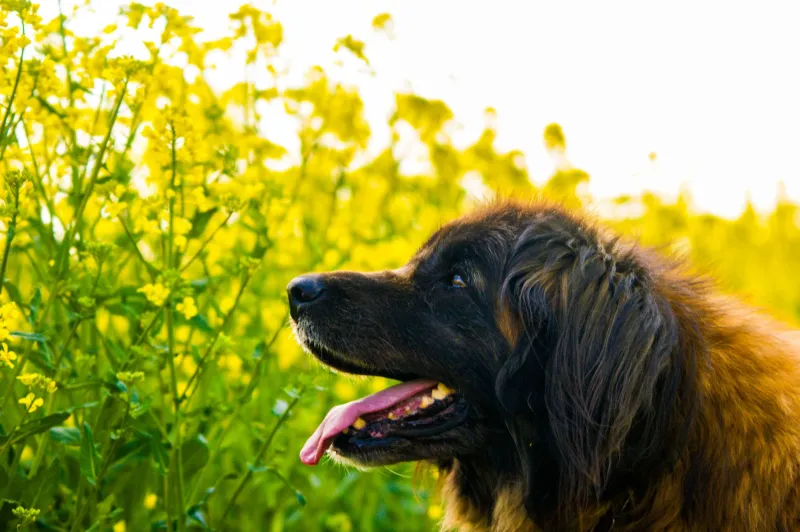
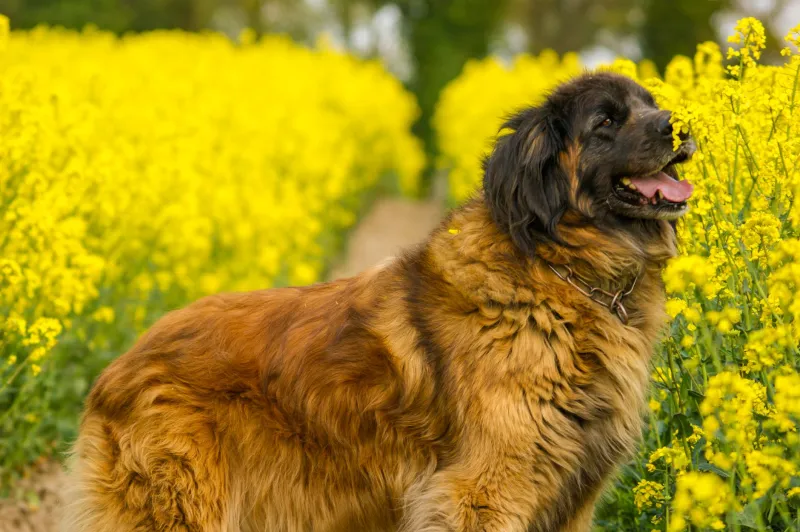
A British pub can be one of the kindest places to take a well-mannered dog. There’s usually a quiet corner, a bit of warmth, maybe a fire, and someone behind the bar who has seen it all before. But a Leonberger is not a lap dog who can be tucked under a stool and forgotten about. At around 60kg, your dog is a proper presence: a tail that can clear a table, a coat that holds half the day’s weather, and a head that naturally arrives at pint height.
That does not mean pubs are off the menu. It just means the outing needs a little more thought than clipping on the lead and hoping for the best.
Start with the right pub, not the nearest one
The sign saying “dogs welcome” is a useful start, but it is not the whole story. A pub that happily accepts a spaniel may feel very different when a lion-sized dog walks through the door. Look for places with a decent amount of floor space, sturdy tables, and a layout that does not force your dog to squeeze past waiters carrying plates.
Beer gardens are brilliant in principle, but in November they are often wet, cold or closed off. A back room, a snug, or a corner near the wall is usually better than the middle of the main thoroughfare. If the pub has flagstone floors, so much the better — they are easier to wipe than carpet, and less likely to hold onto that distinctive wet-Leonberger aroma.
It also helps to visit at a quiet time first. A Tuesday lunchtime is a very different beast from a Friday night or a Sunday carvery. Start small, see how your dog copes, and build from there.
Ask first, even when the sign says yes
A dog-friendly pub is still someone’s business, and the landlord or duty manager gets the final say. Ring ahead if you can, or pop in without the dog to ask. Keep it short and practical: how big is the dog, where would they sit, and is there a quieter time they would recommend?
When you arrive, ask again before you settle in. It sounds obvious, but it gives the staff a chance to move a chair, shift a table or steer you away from a tight spot. It also shows that you are not the sort of owner who assumes the whole room should rearrange itself around a giant dog.
A good question to ask is: “Where would you least mind us sitting?” That one sentence tends to get you a far better answer than simply marching towards the nearest empty table.
Doorways, flagstones and the wet-dog problem
A Leonberger brings the weather in with them. In a UK autumn or winter, that means damp paws, a wet undercarriage and a coat that can shed a small cloud when they shake. Bring a towel. Bring two, honestly. A microfibre towel by the door and a spare in the car is not overkill; it is basic pub survival.
Tight doorways are another consideration. Do not try to enter while someone is coming out, and do not let your dog barge through ahead of you. A brief pause, a “wait”, and a calm entry sets the tone for everything that follows. If the pub has a porch or an outdoor area, use it for a quick towel-down before going in.
Once inside, keep the lead short but loose. You are not there to march the dog through the room like a parade. Find your spot, ask your dog to settle, and reward the calm behaviour with a bit of quiet praise or a chew that is allowed on the premises.
The under-table brief
The ideal pub Leonberger is under the table, not underfoot. That takes practice at home first. Teach a reliable “under” or “settle” command on a mat, then take the mat to the pub. A familiar piece of bedding can make a strange floor feel less strange.
Position matters. Tuck the dog towards the wall, away from the main walking route, and keep the lead from becoming a tripwire. Do not loop the lead around a table leg or chair; if the dog moves suddenly, you want to be able to respond without bringing the furniture with you.
Food is the other issue. A Leonberger is tall enough to investigate a tabletop without much effort, and many are convinced that a plate within reach is a plate offered. Keep your dog’s head below table level, ask friends not to feed them, and do not leave a bowl of chips hovering at nose height. If your dog cannot settle when food is around, that is useful information — not a failure.
The Sunday roast rush
There is a point in the afternoon when a quiet pub stops being quiet. The carvery queue forms, chairs scrape back, children move about, and the room fills with the smell of gravy. For some dogs, that is fine. For many, it is the moment to leave.
Knowing when to call time is a skill. If your Leonberger is restless, panting, scanning the room or trying to get up every few minutes, do not wait for a problem. Finish your drink, settle the bill, and head out while everyone is still having a nice time. Leaving early is not a defeat; it is good manners with a side order of common sense.
A pub trip should leave you wanting another one. Keep it short, keep it calm, and choose the quiet corner over the busy middle every time. Your Leonberger does not need to be the centre of attention. In fact, the best-behaved pub dog is often the one nobody notices until they get up to leave.