Sheep, Stiles and Sixty Kilos: Building a Reliable Recall in the British Countryside
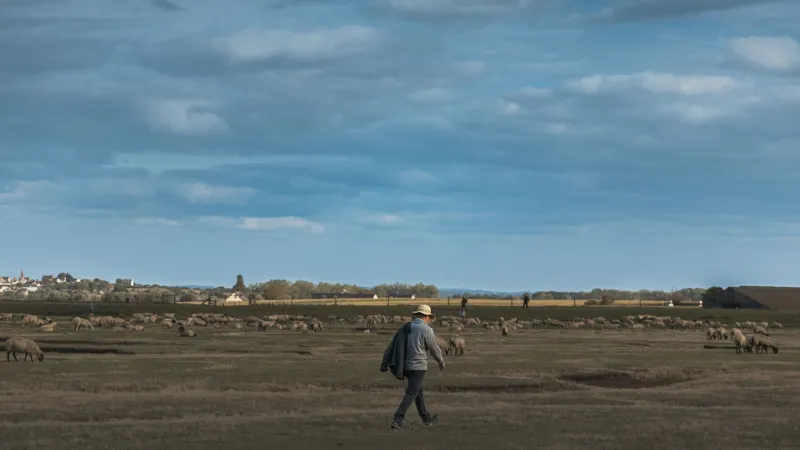
Ask any Leonberger owner about recall and you will usually get a sigh. These are not greyhounds. They were bred to pull carts, look enormous and amble about with dignity, and they are generally more interested in a good sniff than a sprint after a squirrel. That is the good news. The less good news is that a 60kg dog with a long stride, a friendly face and a strong opinion about sheep is still a serious proposition in the British countryside. Recall is not about winning obedience rosettes. It is about keeping your dog, livestock and wildlife safe.
What the Countryside Code Actually Asks of You
In England and Wales, the Countryside Code asks owners to keep dogs under effective control. Around livestock that means putting the lead on — not calling hopefully while your dog circles a field. In Scotland, the Outdoor Access Code has similar principles, and in Northern Ireland local guidance applies. The legal backdrop matters too: the Dogs (Protection of Livestock) Act 1953 makes it an offence for a dog to worry livestock, and farmers have powers to protect their animals. Nobody wants that conversation. Assume that if there is livestock in the field, the lead goes on before you enter. Ground-nesting birds add another layer, especially between March and July, when many heaths, coastal paths and farmland ask for leads or very close control.
Why Recall Feels Different With a Giant Breed
Leonbergers are intelligent, sensitive and often a bit stubborn. They do not tend to bolt at high speed, but they can cover ground surprisingly quickly when something interesting is happening. They also attract attention, which means your dog may be approached by well-meaning strangers just as you are trying to train. Aversive methods are a poor fit for this breed: they can damage trust and make a sensitive dog less likely to come back. High-value food, a happy voice and lots of repetition work far better.
Start Indoors, Then Borrow a Quiet Field
Begin at home with a simple game: say your dog's name, then the cue, then reward when they arrive. Use food they genuinely love — cooked chicken, cheese, sausage — and reward every time, especially in the early days. Practise in the garden, then a quiet park, then a secure field. A long line is essential. A 5m to 10m line attached to a well-fitted harness lets your dog experience distance without giving them the chance to practise ignoring you. Avoid retractable leads; they teach pulling and offer little control.
The Long-Line Is Your Best Friend
Use the line in a secure space. Let it trail, keep your hands safe with gloves, and never wrap it around your wrist. Call your dog, reward the return, then release them again. Make coming back the best part of the walk. Vary the reward: sometimes food, sometimes a toy, sometimes a fuss and another release. If your dog ignores you, do not shout or chase. Simply stop, wait, and make yourself more interesting. A Leonberger who learns that recall leads to sausage and freedom is far more reliable than one who learns it leads to the lead going on and the fun ending.
Livestock Encounters: Distance, Lead and Exit Routes
If you see sheep or cattle ahead, put the lead on early and create distance. Do not walk through a field of livestock if there is a reasonable alternative. Close gates behind you. If cattle approach, stay calm and move away steadily; do not run. If you feel genuinely threatened, letting go of the lead so your dog can get clear is often safer than being dragged into a situation. Practise a U-turn cue at home so turning away becomes normal rather than dramatic.
Ground-Nesting Birds and Seasonal Hotspots
Spring and early summer are the tricky months. Curlews, lapwings, skylarks and other ground-nesting birds can be disturbed by a dog simply being nearby. Stick to paths, keep the lead on in sensitive areas, and accept that some walks are better saved for autumn. Deer and squirrels may not trigger a sprint, but they can trigger a determined amble into undergrowth. Recall should be proofed around distractions gradually, not tested for the first time on a heathland path in May.
Realistic Expectations for 2026
A Leonberger is not fully mature until around two or three years old, and recall is a lifelong maintenance job. Short, frequent sessions beat one long weekly class. Train in different places, in wind and rain, with people around, and always carry better treats than you think you need. Keep the dog on lead wherever livestock or wildlife rules require it. If in doubt, lead out. That is not a failure of training — it is good countryside manners.
A reliable recall will never make a Leonberger into a robot. It will, however, give you more freedom, safer walks and a dog who checks in with you before making a poor decision. In a country full of sheep, stiles and tempting smells, that is worth every bit of sausage.