Mind the Gap: A Giant Dog’s Guide to UK Buses, Trains and Taxis
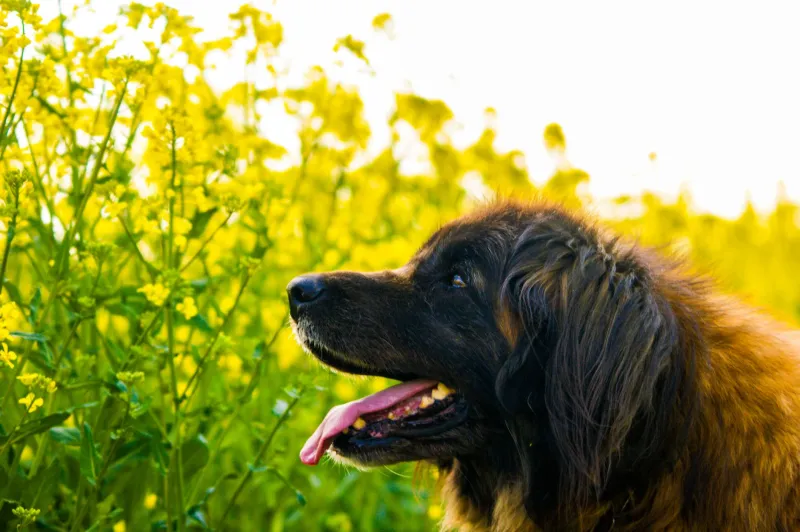
There is a particular look a Leonberger gives you when you suggest a nice day out. It is part enthusiasm, part suspicion, and part ‘you are not seriously putting me on a bus’. The truth is that UK public transport can work for a giant breed, but it is not a turn-up-and-hope situation. You need to ring ahead, read the operator’s rules, and accept that your dog may be the biggest thing on the platform since the coffee kiosk.
First rule: ring ahead, then ring again
Train, bus and taxi policies are not one-size-fits-all in the UK. National Rail sets overall conditions, but individual train operators have their own rules about dogs. Some welcome well-behaved dogs; some restrict them to certain services or ask you to avoid peak times. Some make it clear that assistance dogs are always welcome, while pet dogs travel at the operator’s discretion. Check the exact operator before you book, not a generic website from three years ago.
For buses, it is even more local. Many UK bus companies allow well-behaved dogs at the driver’s discretion, often free of charge, but some only permit assistance dogs or have size restrictions. In London, TfL buses generally allow dogs at the driver’s discretion provided they do not cause an obstruction, but do not treat that as a blanket pass for a Leonberger on a packed commuter service. Ask the operator, then ask again when you are less than a week away.
Taxis are their own adventure. Black cabs and private hire vehicles may accept pet dogs at the driver’s discretion, while assistance dogs are treated differently under the law. When you book, say the breed and the weight. ‘A Leonberger, around 50 to 60 kilos, travelling with a blanket and a short lead’ gives the driver a much better picture than ‘a medium dog’. Ask for an estate car or an MPV if you can, and be ready to pay extra for the privilege.
The station survival kit
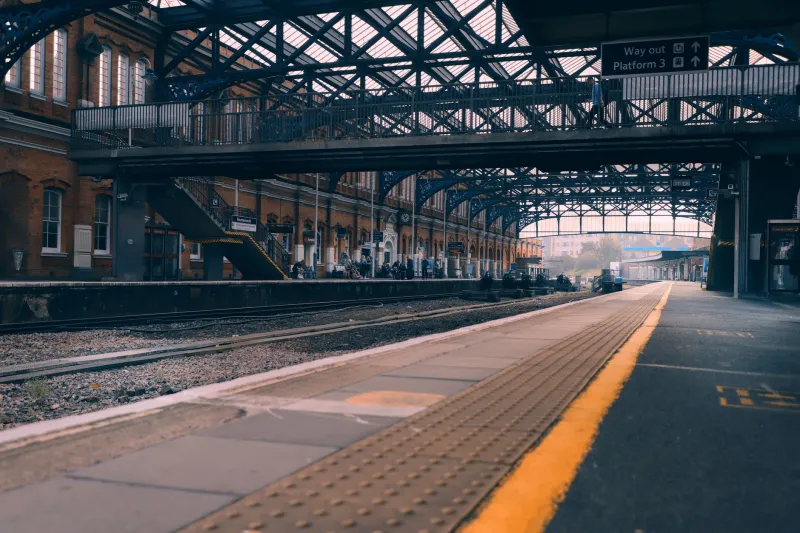
A busy UK station is not the place to discover that your dog hates sliding doors. Arrive early, use the quieter entrance if there is one, and keep your Leonberger on a short lead at all times. A simple mat can give the dog a familiar spot to settle on while you wait. Bring water, a collapsible bowl, treats, and poo bags — always more than you think you need.
Avoid peak times if you possibly can. A giant dog in a crowded vestibule is not a relaxing experience for anyone, and rail staff are more likely to be helpful if you are not adding to the rush-hour crush. If your dog is anxious, a quieter service and a shorter journey are worth more than a heroic cross-country epic.
Bus etiquette for the very large
On a bus, board when the driver acknowledges you, and ask where they would like you to sit or stand. Keep the dog close and out of the aisle. Do not let the lead trail where someone could trip. If the bus is already full, wait for the next one. That is not defeat; it is basic manners with a dog the size of a small sofa.
Be prepared for the driver to say no. It happens, and arguing at the door rarely improves the situation. Have a backup plan: a taxi number, a friend on standby, or a shorter walk to a quieter route. A Leonberger does not need to visit every shop in town to have a good day.
Taxi bookings that actually work
When booking a taxi, be specific: breed, weight, whether the dog is crate-trained, and whether you have a blanket or crate. Ask for a vehicle with a large boot or a spacious rear seat. Put a blanket down before the dog jumps in, and keep the lead short while you get settled. If your dog sheds — and a Leonberger will shed — a quick brush beforehand is a kindness to the driver and the next passenger.
Do not assume every driver loves dogs. Some are allergic, some have had bad experiences, and some simply do not want a giant breed in their car. A polite ask and a clear description go a long way. If you are turned down, thank them and move on.
Realistic expectations
Public transport with a Leonberger is not the same as public transport with a spaniel. You will attract attention, you will need more space, and you will probably hear the phrase ‘is that a bear?’ at least once. Keep your dog calm, keep your lead short, and keep your sense of humour. A tired Leonberger after a good day out is a lovely sight; a stressed one on a cramped train is not.
With planning, UK trains, buses and taxis can be part of a brilliant day out. Just ring ahead, pack the mat, and accept that sometimes the best transport plan is a quiet route, an off-peak service and a very large dog who has decided the floor is the best seat in the house.